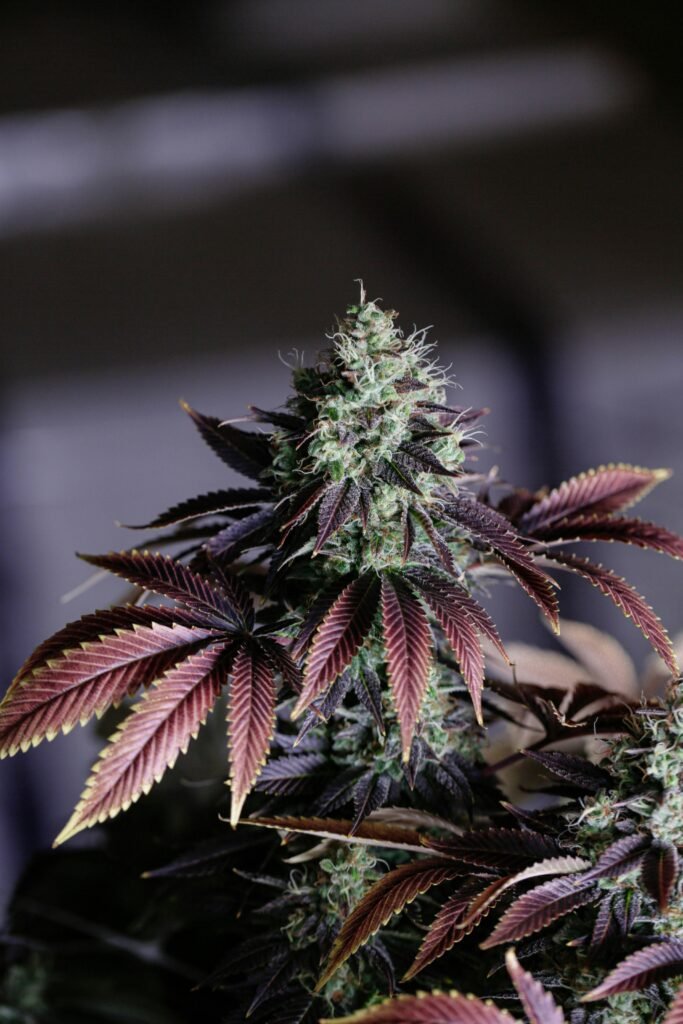
THC and CBD are two different cannabinoids found in cannabis. THC is the main cannabinoid responsible for intoxication. CBD does not produce the same intoxicating high, but it can still have effects. A product may contain mostly THC, mostly CBD or a combination of both.
Read the name, number and unit together
A number without its unit is incomplete. Cannabis labels can present THC and CBD in several ways:
- Percentage: commonly used as a familiar display for dried flower and some concentrates.
- mg/g: milligrams per gram, a concentration by weight.
- mg: milligrams in a unit, activation or full package.
- mg/mL: milligrams per millilitre, often used for bottled oils.
- Ratio: the relationship between THC and CBD, not the amount by itself.
Do not compare a flower percentage directly with an edible package total. They describe different product formats and use different measurement bases.
Per piece, per millilitre and per package
Edibles may show THC and CBD per piece as well as totals for the complete package. Tinctures may show concentration per millilitre and a total for the bottle. A cartridge or concentrate can use weight-based concentration. Read the words beside the number before deciding what it means.
For example, 10 mg THC in a package is not the same statement as 10 mg THC per piece. Likewise, 10 mg/mL CBD is not the full-bottle amount unless the bottle contains one millilitre. Keep every figure attached to its product basis.
What a ratio can and cannot tell you
A 1:1 product has the two named cannabinoids in the same stated proportion. A 2:1 product has twice as much of the first named cannabinoid relative to the second. The ratio still does not reveal the actual milligrams. Find the THC and CBD amount lines to understand the quantities.
Do not use one number as a quality score
A higher THC value does not prove that a product is fresher, better made or a better fit. CBD amount is also not a quality grade. Compare the product format, package size, ingredients or hardware, current price, stock and supplied details separately. Cannabinoid values describe content, not a guaranteed experience.
A quick label routine
- Find THC and CBD as separate lines.
- Read the full unit for each.
- Check the selected product size or option.
- Identify whether the amount is per unit, per mL, per gram or per package.
- Use the physical package as the final product-specific reference.
Health Canada’s cannabis label guide gives examples across product types. Read Cannabinoids Explained for CBG, CBN and THCA, or use the edibles label guide for piece and package totals.