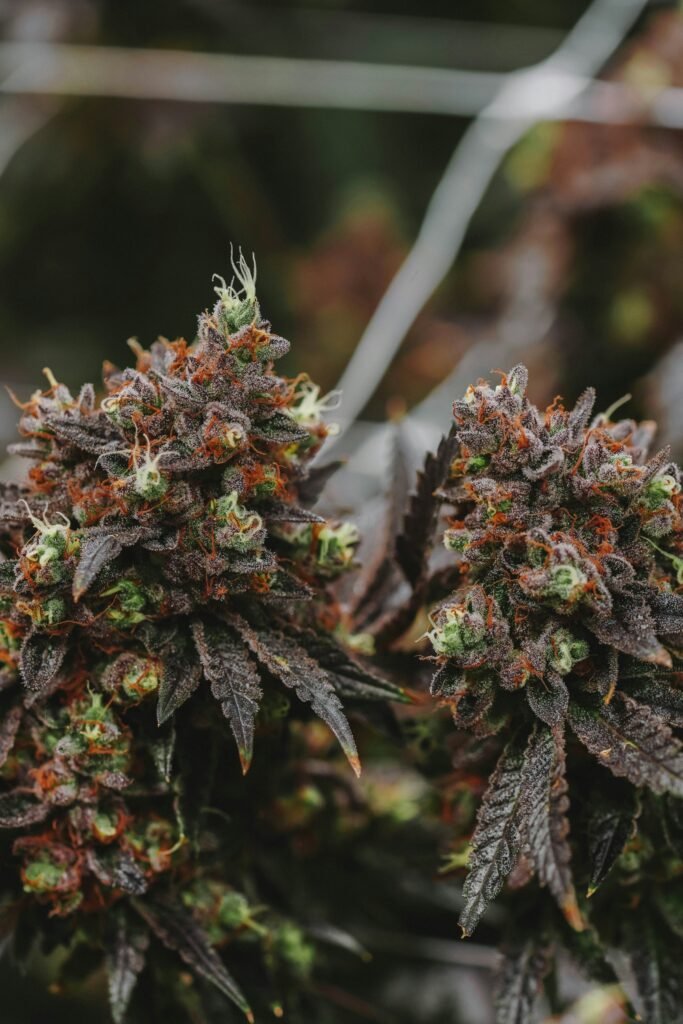
Cannabis concentrates are a broad product group that includes shatter, wax, badder, sauce, live resin, rosin, diamonds and hash. The names often describe a process, texture or presentation. They do not create a universal quality ladder, and they do not guarantee potency or a particular result.
What the common names describe
- Shatter: a firm, glass-like presentation that may break into pieces.
- Wax or badder: softer textures that may look whipped, creamy or crumbly.
- Sauce: a looser concentrate that may contain visible crystals or a fluid portion.
- Diamonds: crystal-like pieces, sometimes sold with sauce.
- Live resin: a concentrate made from plant material preserved soon after harvest, commonly by freezing.
- Rosin: a concentrate produced with heat and pressure rather than a solvent extraction.
- Hash: a long-standing category made by collecting and pressing or otherwise processing cannabis trichomes.
These are general descriptions. Producers may use related names for products with different textures, inputs or processing details. Read the individual listing for what is actually supplied.
Compare the package, not just the format
Start with the package weight. Then read the displayed THC and CBD values with their units, current price, storage notes and any hardware information. If you compare prices, compare the same package weight or calculate price per gram. A lower sticker price may simply belong to a smaller package.
Texture can change with handling and temperature, so follow the product’s labelled storage directions. A photo can show the general presentation, but it cannot guarantee the exact shape or consistency of every unit.
Check hardware before ordering
Some concentrates are sold as material only and do not include any device or accessory. Others may be packaged in a cartridge or device and belong in the vaporizer section instead. Never assume a battery, attachment or tool is included unless the product page says so. If compatibility is unclear, ask support using the exact product name.
A useful concentrate checklist
- Confirm the concentrate type and package weight.
- Read THC and CBD with their full units.
- Check whether the price belongs to the selected option.
- Read supplied texture, ingredient and storage information.
- Confirm whether separate hardware is needed.
- Inspect the sealed container after delivery for cracks, leaks or damage.
Keep product names in perspective. “Live,” “rosin,” “diamonds” and similar words describe what the producer is selling, not how it will feel for every person. Use the measurable details to compare products and keep the physical label with the container.
See the available concentrates, or read Vape Cartridges and 510 Hardware if you are comparing filled cartridges and complete devices.