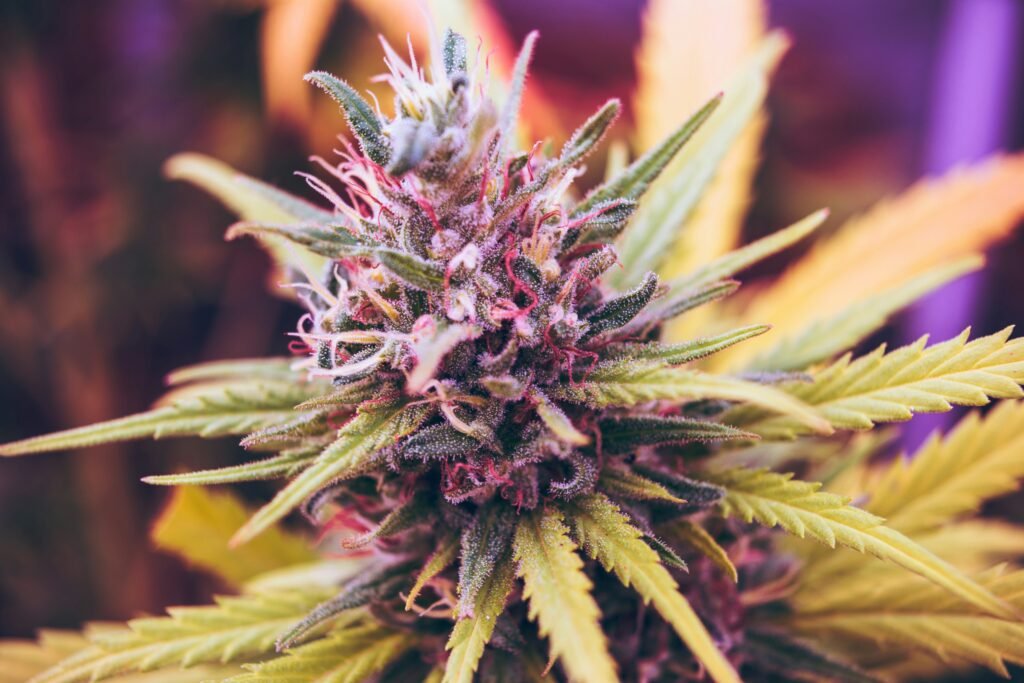
Cannabinoids are compounds found in cannabis. Product pages and package labels may list several of them, but THC and CBD are the two names customers see most often. The important part is not only the number. It is the cannabinoid name, the unit and what the amount applies to.
Common cannabinoid names
- THC: the main intoxicating cannabinoid in cannabis. Labels may show it as a percentage, milligrams, milligrams per gram or another concentration.
- CBD: a cannabinoid that does not produce the same intoxicating high as THC. It can appear in the same units, so read its value separately.
- CBG and CBN: other cannabinoids that may be listed when details are supplied for a product.
- THCA: a cannabinoid that may appear in flower or concentrate information. Do not treat a THCA number as interchangeable with every THC value on the page.
A product can contain more than one cannabinoid. A large THC number does not mean CBD is absent, and a CBD-forward product may still list THC. Read every displayed line rather than relying on a product name such as “CBD” or “balanced.”
Why the units matter
Flower and some concentrates may use a percentage or milligrams per gram. Edibles commonly use milligrams per piece and milligrams in the full package. Bottled oils can show milligrams per millilitre as well as a total for the bottle. These measurements answer different questions and should not be compared as though they are the same scale.
For example, “5 mg per piece” describes one piece. “20 mg per package” describes everything in the package. A bottle marked “10 mg/mL” describes concentration, not the full-bottle total unless the bottle contains exactly one millilitre. Always keep the amount attached to its unit and package basis.
The same page may show both a current value and a total value. Read the words around each number instead of choosing whichever figure looks larger.
How to read a product page
- Find the exact cannabinoid name: THC, CBD or another listed compound.
- Read the full number and unit.
- Check whether it applies per gram, per millilitre, per piece or per package.
- Confirm the selected size or option.
- Check the physical package after delivery because it is the final product-specific reference.
Health Canada’s cannabis label guide explains how total THC and total CBD can appear across product types. Cannabinoid values describe content; they do not grade quality or guarantee a result.
For a closer comparison of the two most common names, read THC vs CBD. For package-specific measurements, see the guides to edible labels and tinctures.